
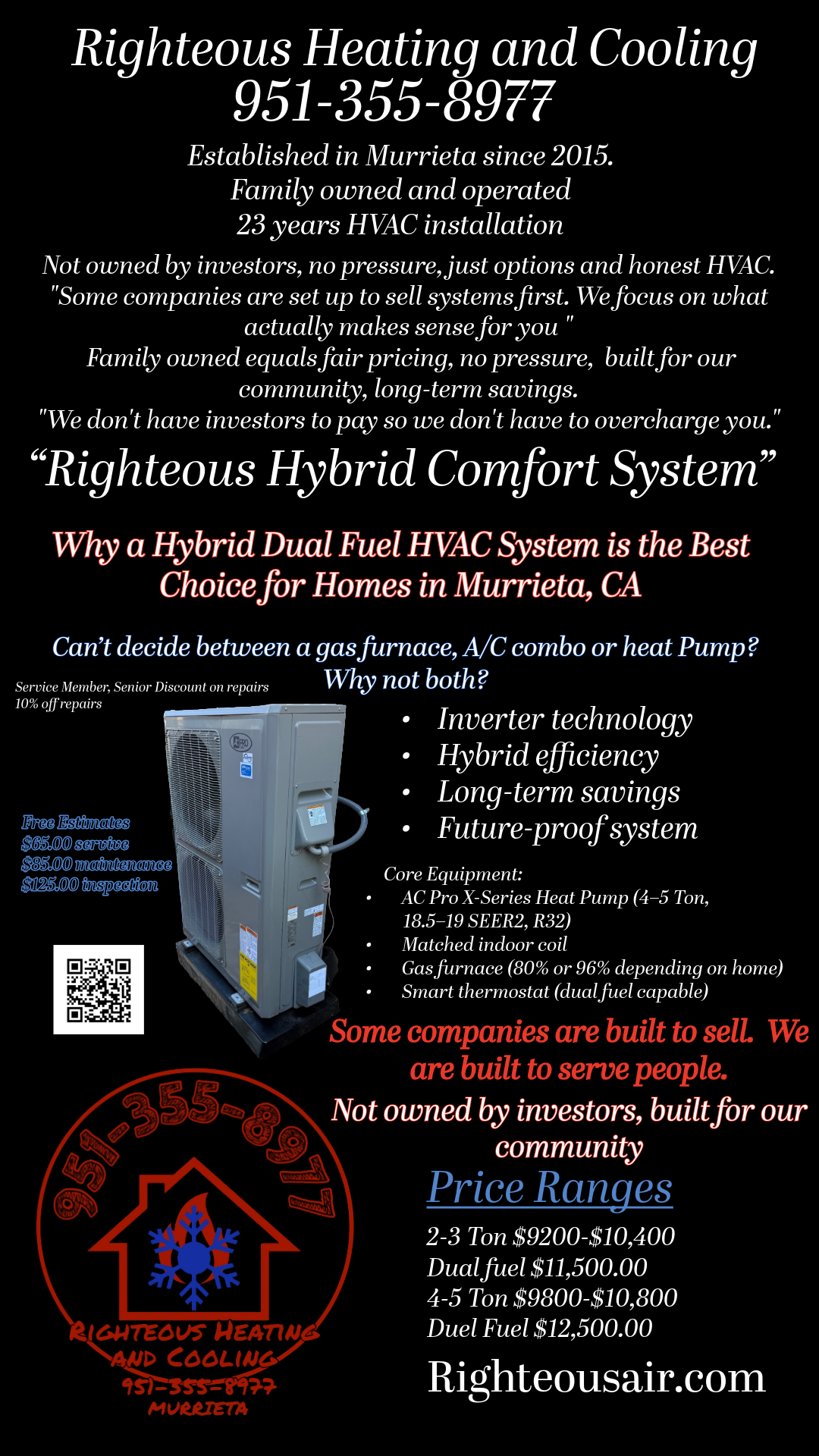
It’s not just about the car washes that makes Murrieta great.
🏡 Why Murrieta Works
The Real Story Behind Safety, Schools, Faith, Athletics, and Local Business
Let’s be honest—California has changed.
A lot of cities that used to be family-first are now:
Overcrowded
Expensive beyond reason
Struggling with crime, school decline, or community disconnect
So when a place like Murrieta consistently ranks:
Among the safest cities in California
Near the top for schools and athletics
And continues to grow with strong family culture intact
It’s worth asking:
What is Murrieta doing differently—and can it last?
This isn’t a surface-level blog.
This is the real breakdown.
🚔 Safety: It’s Not Just Policing—It’s Structure
Murrieta is safe—but not by accident.
Yes, the police department is proactive.
Yes, crime is lower than most cities its size.
But here’s the truth most reports won’t say:
Murrieta is safe because its people are structured.
Families are involved
Kids have direction
Communities communicate
Crime doesn’t thrive where:
Parents are paying attention
Kids are occupied with sports, school, or church
Neighbors actually know each other
Compare that to cities where:
Families are disconnected
Kids are left without structure
Communities are transient
That’s where crime grows.
Murrieta avoided that trap—for now.
🎓 Schools: Above Average Because Families Demand It
At the center is
Murrieta Valley Unified School District
On paper:
High graduation rates (~97%)
Above-average test scores
Strong statewide rankings
But numbers only tell part of the story.
The real reason Murrieta schools perform well:
Parents are involved—and they expect results.
This isn’t passive:
Parents push academics
Parents show up to meetings
Parents hold schools accountable
Schools like:
Vista Murrieta High School
Murrieta Valley High School
Murrieta Mesa High School
…don’t succeed in a vacuum.
They succeed because:
the community demands success
🏈 Athletics: Not Just Sports—It’s a System
Murrieta isn’t just “good” at sports.
It’s one of the top athletic regions in California.
But here’s the real truth:
Athletics in Murrieta is a pipeline.
It starts young:
Murrieta Youth Football
AYSO Region 143 Murrieta
Murrieta National Little League
Jr All America JAAF
Murrieta Pop Warner
Murrieta Valley Youth Basketball
Then feeds into elite high school programs.
What that creates:
Discipline
Time structure
Accountability
Mentorship
And here’s the part people don’t say out loud:
Busy kids don’t become problem kids.
When you give kids:
Coaches
Teams
Goals
You reduce:
Crime
Idle time
Bad influences
That’s not opinion—that’s pattern.
Murrieta isn’t the Bible Belt—but it’s also not like most of California.
There’s a strong presence of churches like:
Calvary Murrieta
The Bridge Church Murrieta
Centerpoint Church Murrieta
The Way Family Church
And here’s the reality:
These institutions provide:
Structure
Mentorship
Moral framework
Support systems for families
Whether someone attends or not, the influence spreads into the culture.
And culturally:
Families stay tighter
Communities stay connected
People step up when needed
🏪 Local Business vs Corporate Takeover
Here’s a truth most people are starting to feel:
Corporate consolidation is changing home services everywhere.
Big companies:
Buy out local businesses
Raise prices
Cut connection with customers
Murrieta still has a strong base of:
family-owned, locally rooted businesses
These are businesses that:
Coach youth sports
Sponsor teams
Live in the same neighborhoods they serve
That creates:
Accountability
Trust
Long-term relationships
Businesses like Righteous Heating & Cooling operate differently:
You’re not just a customer—you’re a neighbor.
🏡 Neighborhoods: Designed for Real Life
Murrieta neighborhoods weren’t built for chaos.
They were built for:
Families
Stability
Long-term living
You see it daily:
Kids riding bikes
Parents outside after work
Parks full on weekends
That kind of environment naturally reduces crime and builds connection.
💰 Growth: The Double-Edged Sword
Here’s where we don’t sugarcoat it.
Murrieta is growing—and fast.
That brings:
More traffic
More housing demand
More outside influence
Growth can either:
Strengthen a city
Or slowly erode what made it great
The question is:
Can Murrieta keep its identity as more people move in?
The Real Formula (No Fluff)
Murrieta works because of this combination:
✔ Structured families
✔ Involved parents
✔ Strong schools
✔ Elite youth sports pipeline
✔ Faith-based influence
✔ Local business presence
✔ Smart (but pressured) growth
Remove any one of these—and things start to change.
⚠️ What Happens If That Changes?
Let’s be real.
If Murrieta ever loses:
Community involvement
Youth structure
Local business presence
You’ll start to see:
Crime increase
Schools decline
Community disconnect
That’s happened in other cities.
Murrieta has avoided it—but it’s not immune.
❤️ Why This Matters
This isn’t just about rankings.
It’s about:
Where your kids grow up
Who influences them
What kind of future they have
Murrieta gives families:
A real chance to build something stable
A Local Perspective That Hits Home
At Righteous Heating & Cooling, we’re not just working here—we’re living this.
Coaching youth sports
Supporting families
Serving homeowners with integrity
We believe:
Strong communities depend on strong local businesses
And when you support local—you help protect everything that makes Murrieta what it is.
Murrieta is one of the best places to live in California right now.
Not because it’s perfect.
But because:
It still has structure in a state that’s losing it.
Families still lead
Kids still have direction
Communities still connect
And that’s rare.
🏡 Why Murrieta is one of the safest cities in California
1. Crime rates are significantly below average
Murrieta’s overall crime rate is about 46% lower than the national average
Violent crime is relatively low, with about 1 in 544 chance of being a victim
Property crime is also lower than most California cities
Bottom line: Compared to most cities in California (which tend to have higher crime rates), Murrieta stands out as consistently low-crime for its size.
2. Ranks high among similar-sized cities
Murrieta is often ranked among the safest cities for populations over 100,000
It has placed:
Top 3 in California (recent NIBRS-based comparisons)
Top 10–15 in the U.S. for similar-size cities
Historically even #2 safest city in the nation for large cities
Key point: It’s not just “safe”—it’s safe compared to cities its size, which matters more than comparing it to small towns.
3. Strong, proactive police department
Murrieta PD focuses on:
Proactive policing (not just reactive)
Use of technology and data tracking (NIBRS system)
High accountability and community engagement
City leadership even credits:
strong community relationships and proactive police work
Translation: Crime is prevented early, not just responded to.
4. Family-oriented, suburban layout
Murrieta is:
Mostly residential neighborhoods
Less dense than big cities
Designed around families, schools, and parks
It has:
Dozens of parks and youth spaces
High rates of homeownership
These factors reduce crime because:
More stable households
Less transient population
More community awareness
5. Higher income + lower poverty impact
Median household income is relatively strong (over $100K)
Lower poverty rates than many California cities
Why this matters:
Crime statistically rises in areas with:
economic instability
high unemployment
Murrieta avoids a lot of that.
6. Community involvement (huge factor people overlook)
This is actually one of the biggest reasons:
Active neighborhoods
Youth sports programs
Family-owned businesses
Strong local identity
When people are invested in their community, crime drops.
That’s something you see heavily in Murrieta.
🇺🇸 Why it ranks safe nationwide
Murrieta stands out across the U.S. because:
✔ It’s a mid-sized city with small-town behavior
Population over 100K (so it’s not tiny)
But operates like a tight-knit suburb
✔ Crime is low for its category
Compared to similar cities nationwide, it consistently ranks near the top
That’s why it shows up in national “safest cities” lists
✔ Growth hasn’t exploded crime
Many fast-growing cities see crime spikes
Murrieta has managed growth without losing control
Important Reality Check (keeping it honest)
Not every source says Murrieta is perfect:
Some analyses show it’s not the safest compared to all U.S. cities overall
Why the difference?
Rankings depend on what you compare it to
Small towns → safer than Murrieta
Similar-sized cities → Murrieta is very safe
Simple way to understand it
Think of it like this:
Compared to big cities → VERY safe
Compared to similar suburbs → still among the best
Compared to tiny rural towns → not #1, but still strong
The real reason Murrieta works
It’s not just stats—it’s the combination:
✔ Strong policing
✔ Family-focused environment
✔ Community involvement
✔ Stable economy
✔ Smart city growth
That combo is rare—and that’s why Murrieta keeps ranking high.
📊 What Makes Murrieta Stand Out?
Murrieta consistently ranks among:
The safest cities in California (population 100,000+)
One of the lowest crime-rate cities in Southern California
A top-performing city nationwide when compared to similar-sized communities
The key detail most people miss:
Murrieta isn’t being compared to tiny towns—it’s being compared to cities of similar size, which makes the rankings far more meaningful.
🚔 1. Proactive Policing That Prevents Crime
A major reason Murrieta stays safe is its approach to policing.
Instead of just reacting to crime, the city focuses on:
Prevention-first strategies
Data-driven policing systems
Strong community-police relationships
This creates a system where:
Crime is often stopped before it starts
Residents feel comfortable reporting issues early
Neighborhoods stay connected and aware
In simple terms:
Murrieta doesn’t wait for problems—it gets ahead of them.
🏘️ 2. Designed for Families, Not Chaos
Murrieta is built differently than many California cities.
You won’t find:
High-density urban congestion
Overcrowded housing blocks
Large commercial zones mixed into neighborhoods
Instead, you’ll find:
Quiet residential communities
Well-maintained parks
Family-centered neighborhoods
This type of layout naturally reduces crime because:
Neighbors know each other
People look out for one another
There’s less anonymity
3. Economic Stability Keeps Crime Low
Safety and economics go hand-in-hand.
Murrieta benefits from:
Strong household incomes
High homeownership rates
Lower poverty levels than many surrounding areas
Why this matters:
Areas with stable incomes tend to have:
Less property crime
Fewer violent incidents
More community investment
Murrieta’s growth has been controlled and sustainable, not chaotic.
4. A Community That Actually Cares
This is the part you won’t see in statistics—but it may be the most important.
Murrieta has:
Strong youth sports programs
Active families and parents
Locally owned businesses invested in the community
When kids are:
Playing sports
Being mentored
Surrounded by structure
Crime drops. Period.
As a local business owner and youth coach, this is something we see firsthand every week:
When a community invests in its kids, it protects its future.
🇺🇸 5. Why Murrieta Ranks Safe Nationwide
Murrieta’s national reputation comes down to one thing:
It’s a large city that behaves like a small town
Population: 100,000+
Feel: tight-knit, community-driven
Growth: steady and controlled
Most cities lose safety as they grow.
Murrieta has managed to grow without losing its identity.
Keeping It Real (No City Is Perfect)
Murrieta isn’t completely crime-free.
Like any growing city, it still deals with:
Property crime (car break-ins, theft)
Occasional incidents tied to population growth
But compared to:
Other California cities
Other cities its size nationwide
Murrieta remains far safer than the average.
❤️ Why This Matters for Local Families & Businesses
Safety isn’t just about crime stats—it impacts everything:
Where families choose to live
Where kids grow up
Where businesses invest
For companies like Righteous Heating & Cooling, being part of Murrieta means:
Serving families who value trust
Building long-term relationships
Staying rooted in a community that supports its own
Murrieta didn’t become one of the safest cities by accident.
It’s the result of:
Smart planning
Strong policing
Family-first values
Community involvement
And most importantly:
People here care about where they live.
⛪ Where Murrieta Stands Spiritually (Church Presence)
1. High number of churches for its size
Murrieta has 40+ churches across multiple denominations
That includes:
Non-denominational
Baptist
Catholic
Methodist
Nazarene
Adventist
Reformed
That’s a lot for a mid-sized city (~110k people)
🗺️ Major Churches in Murrieta (Examples)
Here are some of the more well-known and active ones locally:
Non-denominational / Evangelical (very common in Murrieta)
Calvary Murrieta
One of the largest churches in the area
Multiple Sunday services
The Bridge Church Murrieta
Strong focus on families and connection
Multiple service times
Centerpoint Church Murrieta
Large local following, active events and ministries
Orchard Church Murrieta
Known for “family-style” environment
The Way Family Church
‘Place for the people,a space for his presence” spirt filled Christian Church
Catholic presence
St. Martha Catholic Church
One of the main Catholic parishes in the city
Focus on sacraments and traditional structure
Other active churches
The Awakening Church – strong youth programs
West Coast Life Church – community-focused services
Murrieta Church of Christ – traditional biblical teaching
What This Means for Murrieta as a City
✔ 1. Strong faith-based culture
Murrieta isn’t just “a city with churches”
It’s a city where churches are embedded into community life
Weekly attendance is high relative to similar cities
Churches host:
Youth programs
sports outreach
family counseling
community events
✔ 2. Church + family + safety connection
This ties directly into what we talked about earlier:
When a city has:
Active churches
Youth involvement
Strong families
You typically see:
Lower crime
Higher stability
More community accountability
✔ 3. Non-denominational influence is strong
Murrieta leans heavily toward:
Modern Christian churches
Family-focused ministries
Community-based outreach
Less “institutional religion”
More “relationship + community style churches”
✔ 4. Regional hub for Temecula Valley faith community
Murrieta + Temecula together function as:
A major church hub for Southwest Riverside County
Drawing people from:
Menifee
Lake Elsinore
Winchester
North County San Diego
Simple Way to Understand It
Murrieta sits in a unique position:
Not overly religious like some small Bible Belt towns
But much more faith-centered than most California cities
Think of it like this:
Los Angeles → very secular
Small Midwest town → very church-driven
Murrieta → balanced, but strongly family + faith influenced
The Real Impact on the City
This church presence helps create:
Stronger families
More involved parents
Youth mentorship (sports + church overlap)
Community accountability
Which all feeds back into:
Why Murrieta is considered one of the safest cities
“A city where faith, family, and community still matter—and where local businesses support that same foundation.”
That’s a strong emotional hook most HVAC companies completely miss.
Murrieta School System Overview
The main district is:
Murrieta Valley Unified School District (MVUSD)
~22,000+ students
~20+ schools (elementary → high school)
How Murrieta Schools Rank (Academics)
🏆 Overall District Ranking
Top 30% of all school districts in California
Rated better than ~81% of CA districts
#1 school district in Riverside County (Niche ranking)
Translation:
Murrieta isn’t just “good locally”—it competes statewide.
📚 Academic Performance
Overall academics grade: A
Graduation rate: ~97%
Many schools scoring 8–10/10 ratings
Example:
Vista Murrieta High School
9/10 rating
Above state average academically
Top ~15% of high schools in CA
📈 State Test Performance
~63% meet/exceed English standards
~48% meet/exceed math standards
That’s solidly above average for California public schools.
🥇 District-Level Ranking
#4 Best School District for Athletics in ALL of California
#1 in Riverside County for sports
Top ~2% in the entire U.S. for athletics
That’s not normal. That’s elite-tier.
High School Athletic Powerhouses
🏈 Vista Murrieta High School
#19 best high school for athletes in California
Strong in:
Football
Basketball
Track & field
🏀 Murrieta Valley High School
Consistently competitive across multiple sports
Known for strong basketball and football programs
⚽ Murrieta Mesa High School
High-level soccer programs
Competitive athletics across the board
Why Murrieta Athletics Are So Strong
This isn’t random—it’s built from the ground up:
✔ 1. Youth sports pipeline
Football, basketball, baseball programs start young
Kids come into high school already trained
This is exactly what you’re part of coaching right now.
✔ 2. Community support
Packed Friday night games
Parents highly involved
Local businesses sponsor teams
✔ 3. Facilities + coaching
Modern fields and gyms
Strong coaching culture
Competitive leagues
✔ 4. Balanced academics + athletics
Kids aren’t just athletes—they’re students
High graduation rate supports eligibility
Keeping It Real (No BS)
Murrieta schools are strong—but not perfect:
Class sizes slightly higher than average (~24 students/class)
Math performance still has room to improve
Rapid growth puts pressure on schools
But compared to most of California?
Still well above average across the board.
Simple Breakdown (Easy Terms)
Academics → Top 20–30% in CA
Athletics → Top 1–5% in CA
Overall → One of the best balanced districts in SoCal
Why This Matters (Big Picture)
This ties directly into everything we’ve been talking about:
Murrieta =
Safe city
Strong schools
Elite athletics
Family-driven community
That combination is rare—and it’s why:
Home values hold strong
Families move here
Kids grow up in structured environments
“We serve a community built on strong schools, youth sports, and family values—and we’re proud to be part of what makes Murrieta great.”
Parents
Homeowners
Coaches
Community leaders
Community: The Real Secret
Here’s the truth most rankings don’t capture:
Murrieta works because its people are involved.
Parents show up
Coaches invest in kids
Local businesses give back
Families stay engaged
That involvement is what ties everything together:
Safety improves
Schools perform better
Kids stay on the right path
Keeping It Real
No city is perfect.
Murrieta still faces:
Growth challenges
Increasing population pressure
Normal property crime like any suburban area
But compared to:
Most California cities
Most cities of similar size nationwide
Murrieta remains well above average in every major category.
Why Families Are Choosing Murrieta
It comes down to one powerful combination:
✔ Safe neighborhoods
✔ Strong schools
✔ Elite athletics
✔ Active faith community
✔ Family-first lifestyle
That mix is rare—and it’s exactly why Murrieta continues to grow as a top destination for families.
❤️ A Local Perspective
For those of us who live and work here, Murrieta is more than rankings.
It’s:
Friday night lights
Kids growing up through youth sports
Families building a future
A community that still believes in showing up
🏡 Supporting Local Matters
At Righteous Heating & Cooling, we’re proud to serve Murrieta and the surrounding communities.
As a family-owned business, we believe in:
Supporting local families
Giving back to youth programs
Providing honest, reliable service
Because when local businesses stay strong, communities like Murrieta stay strong.
Murrieta didn’t become one of the best places to live by accident.
It’s the result of:
Intentional growth
Strong leadership
Faith, family, and community values
And most importantly:
People here care.
Righteous Hybrid Comfort Systems
If you live in Murrieta, California, choosing the right HVAC system isn’t just about comfort—it’s about saving money, maximizing efficiency, and preparing for California’s changing energy landscape.
With rising utility costs, extreme summer heat, and cooler winter nights, more homeowners are asking:
Should I install a gas furnace, a heat pump, or a hybrid dual fuel system?
After years of experience serving Riverside County, the answer for most homes is clear:
A hybrid dual fuel system gives you the best of both worlds—and it’s often the smartest long-term investment.
Understanding Murrieta’s Climate (Why It Matters)
Murrieta has a Mediterranean climate:
Hot, dry summers (90°–105°F)
Mild winters (40°–65°F)
Occasional cold nights in winter
This type of climate is important because:
Heat pumps thrive in mild temperatures
Gas furnaces perform best in colder conditions
That’s exactly why hybrid systems were created.
What Is a Hybrid Dual Fuel System?
A dual fuel HVAC system combines:
Electric heat pump (primary heating + cooling)
Gas furnace (backup heat for colder days)
The system automatically switches between the two depending on outdoor temperature and efficiency.
In simple terms:
Mild weather → Heat pump runs (cheap, efficient)
Cold nights → Furnace kicks on (fast, powerful heat)
Why Hybrid Systems Are Ideal for Murrieta Homes
1. Maximum Energy Efficiency Year-Round
Heat pumps don’t create heat—they transfer it, which uses significantly less energy.
But when temperatures drop, efficiency decreases.
A hybrid system solves this:
Uses heat pump when it’s efficient
Switches to gas only when needed
This can reduce energy usage dramatically—sometimes up to 30–50% compared to traditional systems.
2. Lower Monthly Utility Bills
In Southern California:
Electricity can be expensive
Gas can be cheaper during colder periods
A dual fuel system automatically chooses the cheapest energy source at any moment.
Instead of being locked into one utility, you get flexibility.
3. Better Comfort (No More “Cold Air” Feeling)
One of the biggest complaints with heat pumps alone:
Air can feel cooler or slower to heat
Gas furnaces:
Deliver strong, hot air instantly
Hybrid systems give you:
Even, efficient heating most of the time
Fast, powerful heat when you actually need it
4. Built for California’s Energy Future
California is pushing toward:
Electrification
Energy efficiency rebates
Reduced gas dependency
Heat pumps:
Often qualify for rebates and incentives
Reduce carbon footprint compared to gas system
A hybrid system keeps you:
Compliant with future regulations
Flexible if energy prices change
5. Protection Against Rising Energy Costs
Let’s be real—utility prices aren’t going down.
With a single system:
Gas system → You’re stuck with gas prices
Heat pump → You’re stuck with electric rates
Hybrid = you always have a backup plan
Gas Furnace vs Heat Pump vs Hybrid (Simple Breakdown)
Gas Furnace Only
Pros:
Strong heat output
Lower operating cost (when gas is cheap)
Cons:
Less efficient overall
No cooling (needs separate AC)
Higher carbon emissions
Heat Pump Only
Pros:
Extremely efficient in mild climates
Heating + cooling in one system
Lower long-term energy costs
Cons:
Struggles in colder temps
Can increase electric bills during cold spells
Hybrid Dual Fuel System (Best Option)
Pros:
Highest overall efficiency
Best comfort control
Lower long-term cost
Adapts to weather + energy prices
Cons:
Higher upfront investment
Real-World Example (Murrieta Home)
Let’s say it’s:
65°F outside → Heat pump runs efficiently, low cost
38°F at night → Furnace kicks in, heats fast
You get:
If you live in Murrieta, California, choosing the right HVAC system isn’t just about comfort—it’s about saving money, maximizing efficiency, and preparing for California’s changing energy landscape.
With rising utility costs, extreme summer heat, and cooler winter nights, more homeowners are asking:
👉 Should I install a gas furnace, a heat pump, or a hybrid dual fuel system?
After years of experience serving Riverside County, the answer for most homes is clear:
A hybrid dual fuel system gives you the best of both worlds—and it’s often the smartest long-term investment.
Understanding Murrieta’s Climate (Why It Matters)
Murrieta has a Mediterranean climate:
Hot, dry summers (90°–105°F)
Mild winters (40°–65°F)
Occasional cold nights in winter
This type of climate is important because:
Heat pumps thrive in mild temperatures
Gas furnaces perform best in colder conditions
That’s exactly why hybrid systems were created.
What Is a Hybrid Dual Fuel System?
A dual fuel HVAC system combines:
Electric heat pump (primary heating + cooling)
Gas furnace (backup heat for colder days)
The system automatically switches between the two depending on outdoor temperature and efficiency.
👉 In simple terms:
Mild weather → Heat pump runs (cheap, efficient)
Cold nights → Furnace kicks on (fast, powerful heat)
Why Hybrid Systems Are Ideal for Murrieta Homes
1. Maximum Energy Efficiency Year-Round
Heat pumps don’t create heat—they transfer it, which uses significantly less energy.
But when temperatures drop, efficiency decreases.
👉 A hybrid system solves this:
Uses heat pump when it’s efficient
Switches to gas only when needed
This can reduce energy usage dramatically—sometimes up to 30–50% compared to traditional systems.
2. Lower Monthly Utility Bills
In Southern California:
Electricity can be expensive
Gas can be cheaper during colder periods
A dual fuel system automatically chooses the cheapest energy source at any moment.
👉 Instead of being locked into one utility, you get flexibility.
3. Better Comfort (No More “Cold Air” Feeling)
One of the biggest complaints with heat pumps alone:
Air can feel cooler or slower to heat
Gas furnaces:
Deliver strong, hot air instantly
👉 Hybrid systems give you:
Even, efficient heating most of the time
Fast, powerful heat when you actually need it
4. Built for California’s Energy Future
California is pushing toward:
Electrification
Energy efficiency rebates
Reduced gas dependency
Heat pumps:
Often qualify for rebates and incentives
Reduce carbon footprint compared to gas systems
👉 A hybrid system keeps you:
Compliant with future regulations
Flexible if energy prices change
5. Protection Against Rising Energy Costs
Let’s be real—utility prices aren’t going down.
With a single system:
Gas system → You’re stuck with gas prices
Heat pump → You’re stuck with electric rates
👉 Hybrid = you always have a backup plan
Gas Furnace vs Heat Pump vs Hybrid (Simple Breakdown)
Gas Furnace Only
Pros:
Strong heat output
Lower operating cost (when gas is cheap)
Cons:
Less efficient overall
No cooling (needs separate AC)
Higher carbon emissions
Heat Pump Only
Pros:
Extremely efficient in mild climates
Heating + cooling in one system
Lower long-term energy costs
Cons:
Struggles in colder temps
Can increase electric bills during cold spells
Hybrid Dual Fuel System (Best Option)
Pros:
Highest overall efficiency
Best comfort control
Lower long-term cost
Adapts to weather + energy prices
Cons:
Higher upfront investment
Real-World Example (Murrieta Home)
Let’s say it’s:
65°F outside → Heat pump runs efficiently, low cost
38°F at night → Furnace kicks in, heats fast
👉 You get:
Comfort
Efficiency
Cost savings
Automatically.
Is a Hybrid System Worth It?
For most homeowners in Murrieta:
✔ Yes—especially if you:
Plan to stay in your home long-term
Want lower utility bills
Care about comfort and performance
Are replacing both AC + furnace anyway
Even though upfront cost is higher, you typically recover that cost through energy savings over time.
Final Thoughts: The Smart Choice for Murrieta Homeowners
Murrieta isn’t a one-system climate.
It’s a hybrid climate—and it needs a hybrid solution.
A dual fuel HVAC system gives you:
Efficiency in warm weather
Power in cold weather
Flexibility with energy costs
Long-term savings
👉 Simply put:
It’s the most complete HVAC solution for Southern California homes.
About Righteous Heating & Cooling
At Righteous Heating & Cooling, we help homeowners throughout Murrieta and Riverside County choose systems that:
Save money
Improve comfort
Last longer
With over 20+ years of experience, we don’t push one system—we recommend what actually works best for your home.Comfort
Efficiency
Cost savings
Automatically.
Is a Hybrid System Worth It?
For most homeowners in Murrieta:
✔ Yes—especially if you:
Plan to stay in your home long-term
Want lower utility bills
Care about comfort and performance
Are replacing both AC + furnace anyway
Even though upfront cost is higher, you typically recover that cost through energy savings over time.
Final Thoughts: The Smart Choice for Murrieta Homeowners
Murrieta isn’t a one-system climate.
It’s a hybrid climate—and it needs a hybrid solution.
A dual fuel HVAC system gives you:
Efficiency in warm weather
Power in cold weather
Flexibility with energy costs
Long-term savings
Simply put:
It’s the most complete HVAC solution for Southern California homes.
About Righteous Heating & Cooling
At Righteous Heating & Cooling, we help homeowners throughout Murrieta and Riverside County choose systems that:
Save money
Improve comfort
Last longer
With over 20+ years of experience, we don’t push one system—we recommend what actually works best for your home.
🔧 Our Recommended System for Murrieta Homes
At Righteous Heating & Cooling, we install high-efficiency hybrid systems built around the AC Pro X-Series inverter heat pump—designed specifically for Southern California conditions.
Why this system stands out:
✔ Variable-speed inverter technology
Runs at different speeds instead of just ON/OFF → better comfort + lower energy use
✔ Up to ~19 SEER2 efficiency
Helps reduce monthly energy bills
✔ R32 refrigerant
Future-compliant with California regulations
✔ Dual fuel compatibility
Pairs with a gas furnace for maximum performance
Section 1 – Problem:
Most homeowners are:
Overpaying for energy
Using outdated systems
Not optimized for Murrieta weather
Section 2 – Solution:
Hybrid dual fuel systems:
✔ Lower energy bills
✔ Improve comfort
✔ Future-proof your home
At Righteous Heating & Cooling, we do things differently:
Family-owned and operated
Over 20 years of real installation experience
Serving Riverside County and surrounding areas
Focused on honest recommendations—not upsells
We don’t push one system—we help you choose what actually fits your home, budget, and long-term goals.
Ready to Upgrade Your HVAC System?
If you’re considering a new system, we’ll walk you through:
Hybrid vs traditional options
Cost breakdowns
Energy savings projections
Available rebates
👉 No pressure. Just real answers.

The Impact of Youth Sports in Murrieta: Building the Next Generation
The Impact of Youth Sports in Murrieta: Building the Next Generation
One of the things that makes Murrieta special isn’t just the neighborhoods, the schools, or the beautiful hills surrounding the valley. It’s the culture of youth sports that runs deep throughout the community.
On any given evening in Murrieta, you can drive by local parks and see football practices under the lights, basketball games in packed gyms, baseball diamonds full of families cheering, and soccer fields buzzing with energy.
Youth sports are more than just games. They are one of the strongest foundations of a healthy community.
From the youngest age groups all the way up to high school athletics, youth sports help shape the future leaders of our community.
Why Youth Sports Matter for Kids
When kids participate in sports, they gain much more than physical exercise.
They learn:
• Discipline
• Teamwork
• Leadership
• Accountability
• Confidence
• Hard work
• Respect for coaches, teammates, and opponents
These lessons stay with them for life.
Many successful adults often trace their character and work ethic back to the lessons they learned on a practice field or in a gym when they were young.
For many kids, sports provide structure, mentorship, and positive role models during some of the most important developmental years of their lives.
The Pipeline from Youth Sports to High School Athletics
Murrieta is home to strong high school athletic programs that reflect the dedication of its youth leagues.
Many of the athletes who compete at schools like:
• Murrieta Valley High School
• Vista Murrieta High School
• Murrieta Mesa High School
started out years earlier playing in youth leagues across the valley.
Those early experiences matter.
When kids begin learning fundamentals at age 6, 7, or 8, they develop the skills and discipline that carry them into middle school and high school athletics.
But even more important than wins and losses is the character built along the way.
Sports teach kids how to handle both victory and adversity — lessons that will serve them long after their playing days are over.
Why Local Businesses Should Support Youth Sports
Youth sports programs depend heavily on the support of local businesses.
Uniforms, equipment, field maintenance, and league operations all require funding.
Without local sponsors, many youth programs simply couldn’t operate.
When businesses invest in youth sports, they are investing in the future of their community.
Local sponsorships help provide:
• Equipment for teams
• League registration support
• Field maintenance
• Tournament opportunities
• Safe and organized programs for kids
These programs give children positive environments where they can grow physically, mentally, and emotionally.
How Youth Sports Strengthen Communities
When you attend a youth sports game, you see something powerful happening.
Parents are cheering.
Coaches are mentoring.
Kids are learning.
Communities grow stronger when families come together around shared activities.
Youth sports bring people together in ways that very few things can.
They create friendships, build support networks, and strengthen the bonds between neighbors.
In many ways, the fields and gyms where kids play sports become the heartbeat of the community.
The Role of Family-Owned Businesses in Community Sports
Family-owned businesses often have a deeper connection to the communities they serve.
Unlike large corporations that operate from distant offices, local business owners live in the same neighborhoods as their customers.
Their kids attend the same schools.
They shop at the same stores.
They attend the same games.
Because of this connection, many family businesses choose to give back through community involvement.
That involvement often includes supporting youth sports programs.
Why Righteous Heating and Cooling Supports Youth Sports
At Righteous Heating and Cooling, community involvement is part of who we are.
Our business is built on relationships with local families throughout Murrieta, Temecula, and surrounding communities.
Supporting youth sports is one of the ways we give back.
Many of the kids playing today will grow up to become the next generation of workers, business owners, coaches, and community leaders.
Investing in them today helps build a stronger Murrieta tomorrow.
Youth sports teach kids that success doesn’t come easy — it comes from dedication, teamwork, and perseverance.
Those same values are the foundation of any successful business.
Building a Stronger Murrieta Together
Murrieta’s future depends on the strength of its families, its schools, and its local businesses.
When family-owned companies stay involved in community programs like youth sports, everyone benefits.
Kids gain opportunities.
Families build stronger connections.
And the entire community grows closer.
At Righteous Heating and Cooling, we believe supporting the community is just as important as serving it.
Because when we invest in our youth today, we help build a better future for Murrieta tomorrow.
Righteous Heating and Cooling
Murrieta, California
Family owned
23 years of HVAC experience
Proud supporters of local youth sports and community programs
Why Murrieta, California Is One of the Best Places in America for Middle-Class Families and Family-Owned Businesses
Why Murrieta, California Is One of the Best Places in America for Middle-Class Families and Family-Owned Businesses
Southern California is known for its big cities, high prices, and corporate influence. But tucked between San Diego and Los Angeles is a community that has quietly become one of the most desirable places for middle-class families to live and build a life: Murrieta, California.
Murrieta isn’t just another suburban city. It represents something many Americans are searching for again — strong communities, family values, opportunity for small businesses, and a place where people can build a future for their children.
For companies like Righteous Heating and Cooling, Murrieta is more than a service area. It is home. It is community. And it is a place where family-owned businesses still matter.
Let’s take a deeper look at what makes Murrieta so special.
The History of Murrieta: From Ranch Land to One of Southern California’s Fastest Growing Cities
Long before modern homes filled the valley, the area that became Murrieta was inhabited by the Luiseño Native American people, who lived in villages across the region and relied on the fertile valley and natural water sources.
Murrieta’s modern history began in 1873, when Spanish immigrant Juan Murrieta brought thousands of sheep to the valley after purchasing large ranch lands in the Temecula area.
Soon after, a major turning point came.
In 1882, the California Southern Railroad built tracks through the valley, connecting Murrieta to Southern California’s growing rail network.
This railroad transformed the area from open ranch land into a small but thriving town.
By 1890, Murrieta had about 800 residents, and travelers from around the country came to visit the famous Murrieta Hot Springs, which became a popular resort destination.
But the boom wouldn’t last forever.
When the railroad service stopped in 1935, tourism slowed and Murrieta returned to being a quiet rural town for decades.
Then something remarkable happened.
The Modern Growth of Murrieta
Murrieta’s modern rise began in the 1980s when Interstate 15 connected the region to San Diego, Orange County, and Los Angeles.
Families began moving to Murrieta for something increasingly rare in Southern California:
• Affordable housing
• Safe neighborhoods
• Good schools
• Open space and fresh air
• A strong sense of community
The population exploded.
Murrieta grew from about 2,200 residents in 1980 to more than 24,000 by 1991, when it officially became a city.
Today the city has over 100,000 residents and continues to attract families from across California.
Many of these families come from:
• Los Angeles
• Orange County
• San Diego
• Inland Empire cities
They come searching for something better for their families.
And Murrieta delivers.
Why Murrieta Is a Destination for the Middle Class and New Families
Murrieta has become one of the top destinations for middle-class families for several reasons.
1. Strong Family Communities
Murrieta is a place where families still matter.
You’ll find:
• Youth football fields packed on Saturdays
• Community parks full of kids
• Local churches and schools deeply involved in the community
• Neighbors who actually know each other
Many residents moved here specifically to raise children in a safer, quieter environment.
2. A City Built on Hard Work
Murrieta isn’t built on Wall Street or Silicon Valley money.
It is built on:
• Skilled trades
• Small businesses
• Entrepreneurs
• Teachers
• Veterans
• First responders
People come here to work hard and build a life.
This is exactly the kind of community where family-owned businesses thrive.
3. A Strategic Location
Murrieta sits in a unique position between major economic hubs:
• 1 hour to San Diego
• 1 hour to Orange County
• 90 minutes to Los Angeles
This allows professionals to commute while still living in a family-friendly environment.
Many residents work in surrounding cities but choose to raise their families here.
Why Family-Owned Businesses Matter More Than Ever
Across America, a troubling trend has emerged.
Large investment groups and corporate conglomerates are buying up long-standing family businesses.
Industries that once belonged to hardworking local families are now increasingly controlled by large corporations.
This shift changes everything.
Corporate Companies Focus on Investors
Investment companies answer to:
• shareholders
• profit margins
• quarterly earnings
Their goal is often to maximize profit as quickly as possible.
This can mean:
• higher prices
• less personal service
• cutting corners
• replacing skilled workers with lower-cost labor
Family Businesses Focus on Community
Family-owned companies operate differently.
Their reputation matters.
Their customers are neighbors.
Their children go to the same schools as the people they serve.
Their business isn’t just a paycheck — it’s their legacy.
The Economic Impact of Supporting Family Businesses
When you support a family-owned company, your money stays in the community.
It helps:
• local families
• youth sports programs
• community charities
• local schools
• churches and nonprofit organizations
Small businesses create local jobs and strengthen the local economy.
In many cases, family businesses are the backbone of a healthy middle-class community.
The Role of Skilled Trades in Murrieta’s Growth
Cities like Murrieta rely heavily on skilled trades:
• HVAC technicians
• electricians
• plumbers
• contractors
• construction workers
These trades keep homes running, especially in Southern California’s climate where reliable heating and cooling systems are essential.
As Murrieta continues to grow, these trades will become even more important.
How Righteous Heating and Cooling Serves the Murrieta Community
At Righteous Heating and Cooling, we believe in doing business the right way.
Our company is built on three simple principles:
1. Honest Pricing
We understand that inflation has affected families across California.
That’s why we work hard to keep our pricing competitive and fair without sacrificing quality.
2. Experience You Can Trust
Our owner has 23 years of HVAC installation and service experience in Southern California.
That means when we install or repair your system, it is done right the first time.
Experience matters in this industry.
3. Community First
We don’t just work here.
We live here.
Our company supports youth sports and community programs because we believe investing in the next generation matters.
Murrieta is a family city, and we want to help keep it that way.
A Message to Murrieta Homeowners
When you choose who works on your home, you have a choice.
You can support:
• a large corporate company backed by investors
or
• a local family-owned company that stands behind its work
Family businesses depend on trust and reputation.
When we serve a customer, we know we’ll probably see them again at:
• a football game
• a school event
• the grocery store
• a community fundraiser
That accountability matters.
Murrieta’s Future
Murrieta continues to grow rapidly.
But the heart of the city should always remain the same:
• strong families
• hardworking people
• local businesses
• community pride
• Faith
Cities thrive when local entrepreneurs and family businesses succeed.
That is what keeps communities strong.
Righteous Heating and Cooling
Murrieta, California
Family owned.
Community driven.
23 years of HVAC experience.
Serving Murrieta, Temecula, Riverside County, and surrounding areas.
Because when local families support local businesses — everyone wins.
Why Owning an HVAC Business and Investing in Youth Sports Go Hand in Hand
Building Comfort Today. Building Leaders for Tomorrow.
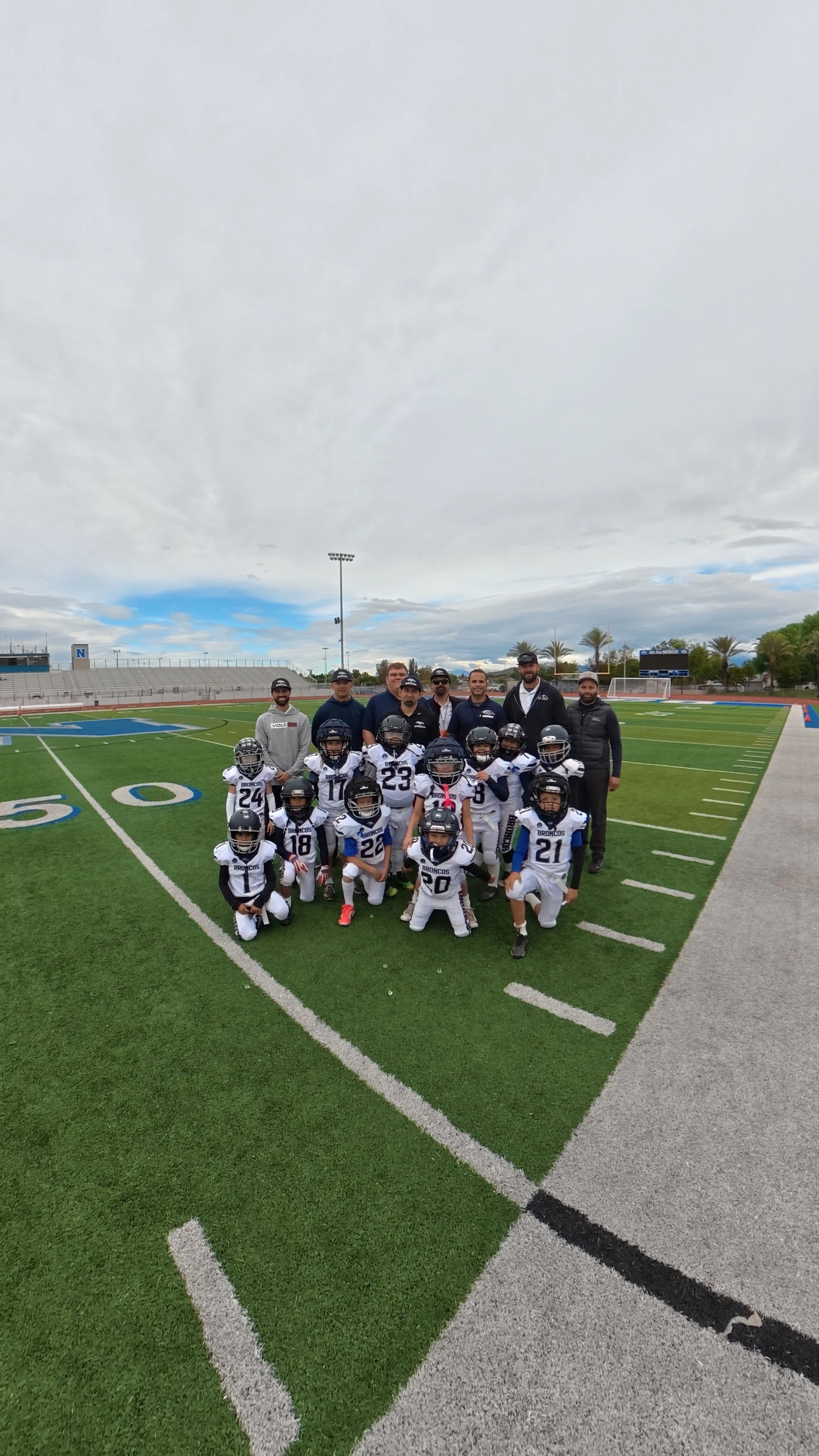
Owning an HVAC business means more than installing systems and fixing problems — it means serving families, homes, and the community you live in. Coaching youth football and basketball comes from that same place. It’s about responsibility, leadership, and investing where it truly matters: our kids.
Running a family-owned HVAC business while coaching youth sports isn’t a coincidence. The values that make a great technician, business owner, and community leader are the same values that shape strong young people.
1. Why Investing in Youth Is One of the Most Important Things We Can Do
When we invest in youth, we’re not just filling schedules — we’re shaping the future of our communities.
Kids who are supported, guided, and encouraged early in life are more likely to:
Develop strong character and confidence
Learn accountability and responsibility
Stay engaged in positive activities
Grow into dependable adults, employees, and leaders
Youth sports provide structure in a world that can often feel chaotic for kids. A coach who shows up consistently becomes a role model — sometimes one of the few steady influences a child may have. That investment of time, patience, and encouragement can change the entire trajectory of a young person’s life.
When adults step up, kids step forward.
2. Youth Sports Teach Life Skills That Last a Lifetime
Football and basketball are tools — not just games. Through sports, kids learn lessons that carry into adulthood:
Teamwork: Learning to put the group before themselves
Discipline: Showing up on time, prepared, and ready to work
Resilience: Learning how to lose, recover, and keep going
Respect: For coaches, teammates, opponents, and themselves
These are the same traits we look for in strong employees, responsible homeowners, and future business owners. Investing in youth sports is investing in the next generation of workers, parents, and community leaders.
3. Coaching Builds Stronger Communities
Youth sports bring families together. Parents meet parents. Neighbors support neighbors. Kids build friendships that often last a lifetime.
When local business owners coach, it sends a powerful message:
“I’m not just here to do business — I’m here to serve.”
That presence builds trust, unity, and pride in the community. It shows kids that success isn’t just about making money — it’s about giving back and lifting others up along the way.
Strong communities don’t happen by accident. They’re built by people who care enough to invest their time.
4. Coaching Makes You a Better Business Owner (and Leader)
Coaching youth sports sharpens leadership skills that directly carry over into running an HVAC business:
Clear communication
Patience under pressure
Teaching instead of yelling
Leading by example
Putting people before profit
When you can guide a group of young athletes with different personalities, learning styles, and challenges, you become a better leader everywhere — in business, in family, and in life.
5. Investing in Youth Is Investing in the Future Workforce
Today’s kids are tomorrow’s technicians, homeowners, entrepreneurs, and leaders.
By investing in youth now, we:
Teach work ethic early
Encourage pride in doing things the right way
Show the value of service and responsibility
Build confidence that carries into adulthood
Youth who feel supported are more likely to stay local, give back, and contribute positively to the community they grew up in. That strengthens not just families — but local businesses and local economies.
Conclusion: This Is Bigger Than Sports
Coaching youth football and basketball isn’t about wins and losses. It’s about planting seeds.
Just like an HVAC system quietly protects and comforts a home, investing in youth quietly protects and strengthens the future of our community. When business owners step onto the field or court, they show kids what leadership looks like — not in words, but in action.
Investing in youth is one of the greatest responsibilities — and privileges — we have.
Because when we build up our kids, everyone wins.
Why Family-Owned HVAC Contractors Should Be Allies, Not Enemies
In today’s HVAC industry, the real competition isn’t the family-owned company down the road — it’s the investment-backed corporation trying to turn craftsmanship into a commodity.
For decades, family-owned HVAC contractors have built this industry on trust, reputation, and relationships. We trained the next generation, stood behind our work, and served our communities long before private equity discovered HVAC as a “high-margin opportunity.” Now more than ever, it’s time for like-minded contractors to stand together instead of against one another.
The Myth of “Too Much Competition”
Many small contractors are taught to view every other HVAC company as a threat. But that mindset only benefits one group: the large investment firms.
Family-owned businesses rarely lose jobs to other honest local contractors — we lose them to companies with:
Massive advertising budgets
Commission-based techs pressured to upsell
Scripted sales processes instead of real diagnostics
Short-term profit goals instead of long-term accountability
When family businesses fight each other over price, we race to the bottom. When we support one another, we protect the value of skilled, ethical work.
Shared Values Create Strength
Family-owned HVAC companies usually share the same core values:
Pride in workmanship
Fair pricing over aggressive sales
Repair when possible, replace when necessary
Accountability after the install
Reputation over revenue
These values don’t compete — they complement each other.
When contractors with shared principles communicate, refer, and collaborate, everyone wins:
Customers get honest service
Technicians stay skilled instead of scripted
Communities retain local businesses
The trade maintains its integrity
Allies Protect the Trade
Investment companies don’t just buy HVAC businesses — they reshape the industry.
They normalize:
High-pressure sales tactics
Inflated replacement pricing
Commission-driven diagnostics
Disposable technicians
Brand over craft
Family-owned contractors acting alone are vulnerable. Family-owned contractors working together are resilient.
By building alliances instead of rivalries, we:
Set realistic pricing standards
Preserve ethical business practices
Share knowledge instead of hoarding it
Refer work we can’t take instead of losing it to corporations
Protect customers from predatory sales models
Collaboration Beats Consolidation
When one family-owned contractor is overloaded, another can help. When a job falls outside your specialty, an ally can step in. When a customer needs a second opinion, you can confidently recommend someone who shares your standards.
That’s not weakness — that’s leadership.
Investment companies consolidate for control. Family businesses collaborate for sustainability.
The Long Game Matters
Family-owned HVAC companies think in decades, not quarters. We care about:
Our family name
Our technicians’ futures
Our customers’ trust
Our community reputation
Allies help preserve that long game.
When family-owned contractors stop viewing each other as enemies and start viewing each other as partners, the entire industry benefits — especially the homeowner.
Final Thoughts
The HVAC industry doesn’t need more corporations pretending to be local. It needs more family-owned companies standing together.
Friends over competitors.
Craft over commissions.
Integrity over investors.
When family-owned HVAC contractors unite, we don’t just survive — we protect the trade we love.

Why Supporting Family-Owned HVAC Companies MattersVersus Investment Companies Taking Over the Industry
By Righteous Heating & Cooling – Murrieta, CA
The HVAC industry is changing—and not always for the better. Across California and the nation, family-owned heating and air conditioning companies are being bought out by large investment and private-equity firms. While these corporations may look polished on the surface, the heart of the industry is being replaced by profit-driven systems that often put sales ahead of service.
At Righteous Heating & Cooling, proudly family-owned and based in Murrieta, CA, we believe homeowners deserve to understand the difference—and why choosing family-owned still matters.
1. Family-Owned HVAC: Built on Reputation
When you hire a family-owned HVAC company, you’re hiring people whose name, livelihood, and integrity are tied directly to the quality of their work. Every decision reflects decades of experience and personal accountability.
If a mistake happens, we fix it—because our reputation in the community matters more than a quarterly profit report.
Investment-owned HVAC companies, on the other hand, answer to investors—not homeowners. Decisions are made based on growth targets, sales metrics, and return on investment, not what’s best for your home.
2. Service vs. Sales
Investment companies train technicians to sell.
Family companies train technicians to serve.
Many investment-backed HVAC companies operate on commission-heavy structures. Technicians are pressured to:
Push full system replacements
Upsell equipment you may not need
Meet daily or weekly sales quotas
Family-owned HVAC companies focus on fixing what can be fixed, replacing only when necessary, and explaining options honestly.
At Righteous Heating & Cooling, with over 22 years of hands-on HVAC experience, our goal is not the biggest invoice—it’s the right solution.
3. Personalized Care vs. Call-Center Control
Family-owned companies know your neighborhood, your climate, and your home style. You deal with real people—not scripts or rotating technicians.
Investment companies often rely on:
Out-of-state call centers
High technician turnover
Standardized “one-size-fits-all” solutions
Your home isn’t a number—and it shouldn’t be treated like one.
4. Local Economy vs. Corporate Extraction
When you support a family-owned HVAC company, your money stays local:
Supporting local families
Creating local jobs
Strengthening the Murrieta community
When you support an investment-owned company, profits are often funneled to:
Corporate headquarters
Shareholders
Private equity firms
That money leaves the community—and rarely comes back.
5. Integrity Can’t Be Scaled
Large corporations can scale marketing.
They can scale branding.
They can scale sales systems.
But they cannot scale integrity.
Family-owned HVAC companies operate on values—honesty, stewardship, and long-term trust. At Righteous Heating & Cooling, our work is guided by faith-based principles: doing what’s right, even when it costs us more in the short term.
6. Long-Term Relationships vs. One-Time Transactions
Investment companies chase growth and exit strategies. Family-owned companies build relationships that last for years—even generations.
We want to be the company you call for:
Maintenance
Repairs
Upgrades
Advice you can trust
Not just today—but for the life of your home.
The Bottom Line
When you choose a family-owned HVAC company, you’re choosing:
✔ Experience over pressure
✔ Integrity over quotas
✔ Community over corporations
✔ Service over sales
At Righteous Heating & Cooling, we’re proud to stand for what this industry was built on—hard work, honesty, and taking care of people.
Support family-owned. Support local. Choose righteous.
Why Supporting Family-Owned HVAC Companies Matters
By Righteous Heating & Cooling – Murrieta, CA
In today’s fast-moving world, many homeowners don’t realize that the HVAC company they call may no longer be local at all. Across California, family-owned heating and air conditioning companies are being replaced by large, investment-backed corporations focused on volume, upsells, and quarterly returns. At Righteous Heating & Cooling, proudly based in Murrieta, California, we believe homeowners deserve better.
Supporting a family-owned HVAC company isn’t just about keeping business local—it’s about trust, craftsmanship, and doing what’s right for your home and your family.
1. Family-Owned Means Accountability
When you work with a family-owned HVAC company, you’re working directly with people whose name and reputation are on the line. We don’t answer to shareholders or private equity boards—we answer to our customers and our community.
At Righteous Heating & Cooling, every installation, repair, and recommendation reflects decades of hands-on experience and personal responsibility. If we wouldn’t put it in our own home, we won’t put it in yours.
2. Experience Over Sales Pressure
Large corporate HVAC companies often train technicians to sell first and service second. Their goal is fast turnover, aggressive replacement quotes, and commission-driven decisions.
Family-owned companies operate differently. With over 22 years of HVAC experience, we focus on:
Honest system evaluations
Repairing when it truly makes sense
Recommending upgrades only when they provide real long-term value
Educating homeowners instead of pressuring them
Our goal isn’t the biggest ticket—it’s the right solution.
3. Personalized Service, Not a Script
When you call a family-owned HVAC company, you’re not routed through a call center. You’re speaking with people who understand Murrieta homes, Southern California weather, and the unique demands of our local communities.
We take the time to listen, explain options clearly, and tailor solutions to your comfort needs, energy goals, and budget. No scripts. No rushed appointments. Just real service.
4. Keeping Money in the Local Community
Supporting a local, family-owned HVAC company helps strengthen the Murrieta economy. It supports local jobs, local families, and local growth. Instead of profits leaving the state—or the country—your investment stays right here in the community.
When local businesses thrive, neighborhoods thrive.
5. Integrity, Faith, and Values
At Righteous Heating & Cooling, our work is guided by faith-based values: honesty, stewardship, and doing what’s right even when no one is watching. We believe comfort is more than temperature—it’s peace of mind knowing your home is cared for with integrity.
We don’t believe in cutting corners, overselling equipment, or pushing homeowners into unnecessary debt. We believe in righteous work, done the right way.
6. Long-Term Relationships, Not One-Time Transactions
Corporate HVAC companies chase numbers. Family-owned companies build relationships.
Many of our customers stay with us for years—calling us for maintenance, repairs, upgrades, and referrals—because they trust us. That trust is earned one home at a time.
Choose Local. Choose Righteous.
When you support a family-owned HVAC company, you’re choosing experience over hype, integrity over pressure, and people over profit.
If you’re in Murrieta or the surrounding Southern California area and want honest, dependable heating and cooling service, Righteous Heating & Cooling is here to serve you—with skill, heart, and purpose.
Because when it comes to your home, who you trust matters.
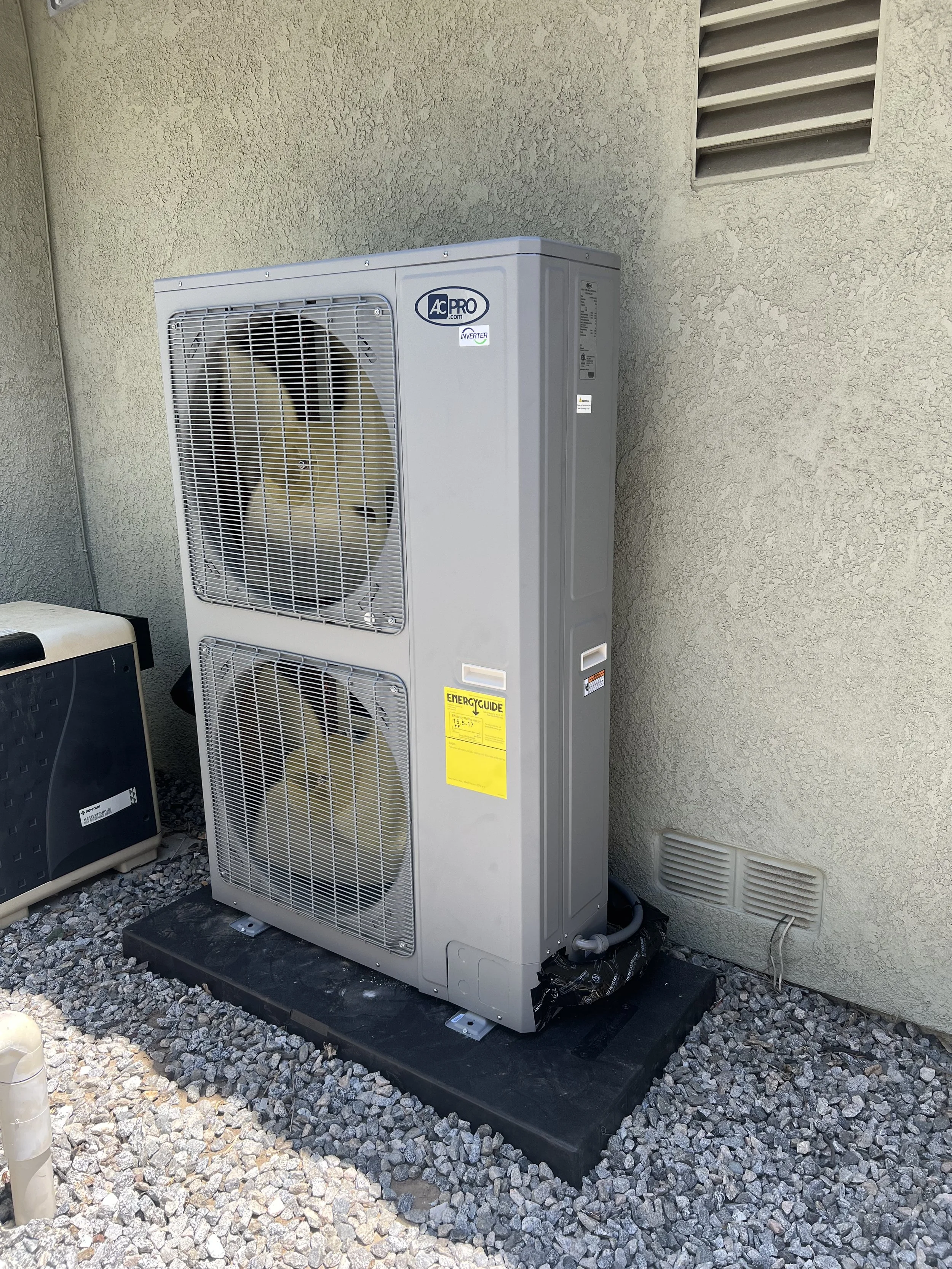
The Real Cost of a New HVAC System in Southern California
There is no single “one-price-fits-all” HVAC system. In Southern California, most homeowners can expect the following real-world cost ranges:
Typical HVAC Replacement Costs
Basic HVAC system: $6,000 – $14,000
Mid-range, higher-efficiency system: $10,000 – $18,000
High-efficiency or heat pump system: $18,000 – $30,000+
These prices usually include equipment, labor, permits, and startup—but costs can rise depending on your home and system needs.
What Drives HVAC Pricing?
Several key factors determine where your project falls in that range:
1. Home Size & Load Requirements
Bigger homes require larger systems. A proper load calculation ensures your system isn’t oversized (wasting money) or undersized (working too hard).
2. Existing Ductwork Condition
Leaky, undersized, or damaged ducts reduce efficiency and comfort. Repairs or replacements add to upfront cost—but improve long-term performance.
3. System Type
Traditional AC + furnace
Heat pumps (heating and cooling in one system)
Variable-speed or multi-stage systems
Each option affects both price and efficiency.
4. Efficiency Rating (SEER)
This is one of the most important—and misunderstood—cost factors.
What Is SEER and Why It Matters
SEER (Seasonal Energy Efficiency Ratio) measures how efficiently your air conditioner or heat pump operates over a cooling season.
Simple Rule:
Higher SEER = Lower Energy Bills
In Southern California, where cooling systems run hard for months at a time, SEER ratings have a huge impact on long-term costs.
SEER Ratings Explained Simply
14–15 SEER: Entry-level, meets minimum standards
16–18 SEER: High-efficiency, strong balance of cost and savings
19–25+ SEER: Premium efficiency, maximum energy savings
A higher SEER system uses less electricity to produce the same amount of cooling, meaning:
Lower monthly utility bills
Less strain on the system
Longer equipment lifespan
More consistent indoor comfort
Upfront Cost vs Long-Term Savings
Many homeowners focus only on the installation price—but operating costs matter more over time.
Example:
A higher-SEER system may cost $2,000–$4,000 more upfront, but it can:
Save hundreds per year on electricity
Pay for itself over time
Reduce repair costs due to better system design
In Southern California, high-efficiency systems often deliver a better return on investment than cheaper, lower-SEER equipment.
Rebates, Incentives, and Regulations
Southern California homeowners may qualify for:
Utility rebates
State and federal energy incentives
Clean-energy or heat-pump programs
Many of these incentives require higher SEER ratings, making efficiency upgrades even more valuable.
The Biggest Mistake Homeowners Make
The most common HVAC mistake isn’t buying the “wrong brand”—it’s choosing a system based on price alone without considering:
Proper sizing
Efficiency
Installation quality
A lower-cost system installed incorrectly or running inefficiently can cost more in the long run.
Final Thoughts: What Should You Expect?
If you live in Southern California, a realistic expectation for a new HVAC system is:
$6,000–$14,000 for basic replacement
$10,000–$18,000 for a high-efficiency system
$18,000+ for premium comfort and maximum energy savings
The right choice depends on your home, usage, and long-term goals—not just the upfront number.
Thinking About Replacing Your HVAC System?
Before making a decision:
✔ Get a proper load calculation
✔ Compare SEER ratings, not just prices
✔ Ask about rebates and incentives
✔ Work with an experienced, trustworthy installer
A well-chosen HVAC system isn’t just an expense—it’s an investment in comfort, efficiency, and peace of mind.
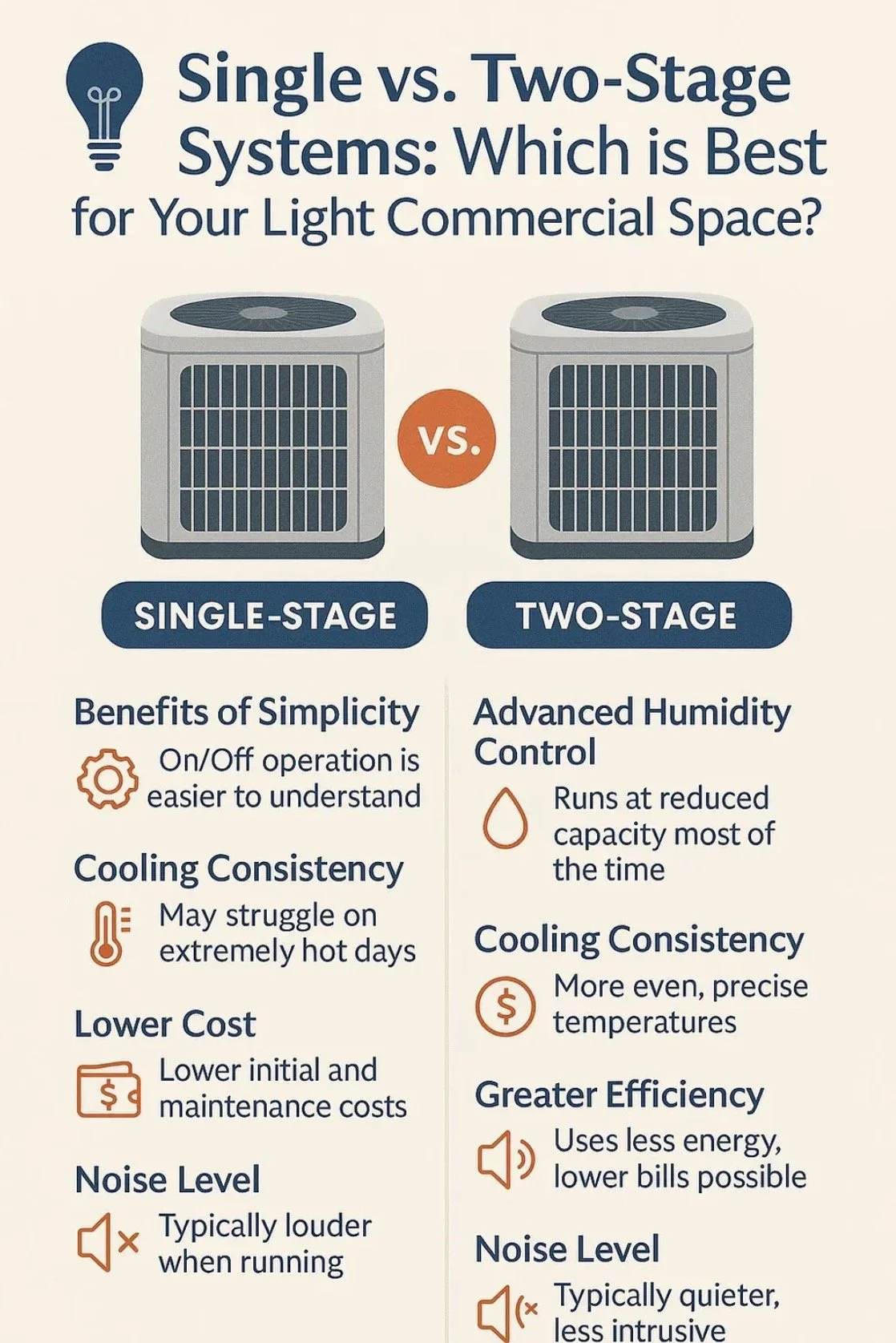
Single-Stage vs. Variable-Stage Compressors
When it comes to choosing the right HVAC system for your home, not all systems are created equal. One of the biggest differences between older and newer systems comes down to how the compressor operates. Understanding this difference can help homeowners make smarter decisions that affect comfort, energy bills, and long-term value.
At Righteous Heating & Cooling, we believe homeowners deserve honest guidance—not sales pressure. That’s why we take the time to explain the difference between traditional single-stage compressors and modern variable-stage (variable-speed) compressors, and help you choose what’s truly right for your home.
What Is a Single-Stage Compressor?
Older HVAC systems typically use a single-stage compressor, which has only two operating modes:
ON (100% power)
OFF (0% power)
Every time your system runs, it operates at full capacity regardless of how much heating or cooling your home actually needs.
Drawbacks of Single-Stage Systems
Temperature swings (hot and cold cycles)
Higher energy usage
Louder operation
More wear and tear from constant starts and stops
Less humidity control
While these systems were once standard, today they’re often less efficient and less comfortable, especially in climates with fluctuating temperatures like Southern California.
What Is a Variable-Stage (Variable-Speed) Compressor?
Newer HVAC systems use variable-stage compressors that can automatically adjust output based on your home’s real-time needs. Instead of blasting on and off, they ramp up and down smoothly.
Benefits of Variable-Stage Technology
Precise temperature control
Consistent comfort throughout the home
Lower monthly energy bills
Much quieter operation
Improved humidity control
Longer system lifespan
These systems often run at 30–60% capacity most of the time, using only the energy needed—no more, no less.
Energy Efficiency That You Can Feel and See
Variable-stage systems are designed for maximum efficiency. Because they avoid hard starts and constant cycling:
They consume less electricity
They maintain temperature without overworking
They often qualify for energy rebates and incentives
They reduce strain on your electrical system
Over time, homeowners experience real savings, not just on utility bills but also on repairs and system longevity.
The Slim, Modern Design Advantage
Today’s variable-stage HVAC systems are also designed with space and aesthetics in mind.
Slim-Profile Benefits
Smaller outdoor footprints
Cleaner, modern appearance
Easier installation in tight spaces
Improved airflow design
This is especially important for homes with limited exterior space or homeowners who value both performance and appearance.
Why Righteous Heating & Cooling Is Committed to Doing It Right
At Righteous Heating & Cooling, we don’t believe in “one-size-fits-all” HVAC solutions.
Our commitment means:
Evaluating your home’s size, insulation, and layout
Understanding your comfort needs and budget
Recommending systems that make sense long-term
Never overselling equipment you don’t need
Installing with precision and integrity
We believe that doing what’s right for the homeowner builds trust, comfort, and lasting relationships.
The Right System Brings Peace of Mind
Choosing the right HVAC system isn’t just about equipment—it’s about comfort, stewardship, and smart investment. Whether a variable-stage system is the best option for your home or not, our mission is to help you make an informed, confident decision.
Because at Righteous Heating & Cooling, every home matters, every detail matters, and every customer deserves honesty.
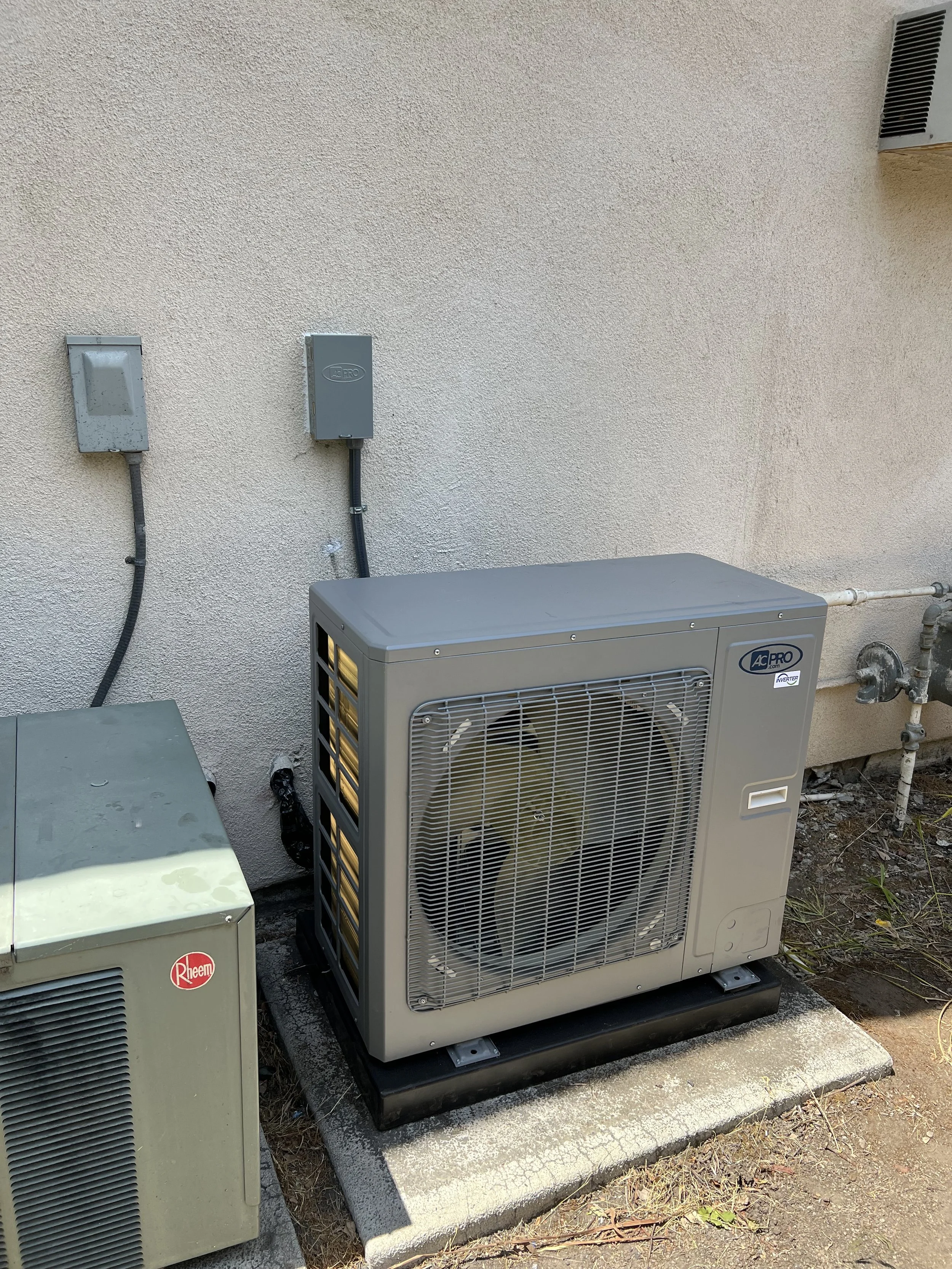
Upgrade or replace, why it matters.
It All Begins Here
Why Upgrading Your HVAC System Matters More Than Repairing
(Even If You Have Solar Panels)
When your heating or air conditioning system starts acting up, the first instinct is usually to repair it. A quick fix feels cheaper, faster, and less disruptive. But in today’s HVAC landscape, repairing an aging system is often the most expensive choice over time — especially as energy costs rise and efficiency standards evolve.
Upgrading your HVAC system isn’t just about comfort. It’s about efficiency, reliability, health, and long-term savings — even if your home already has solar panels.
⸻
The Hidden Cost of Constant Repairs
Older HVAC systems weren’t built for modern energy demands. Over time, wear and tear reduces efficiency, forcing the system to work harder just to deliver the same comfort.
Here’s what repairs don’t fix:
• Declining efficiency year after year
• Rising utility costs
• Outdated technology and controls
• Inconsistent temperatures throughout the home
• Increased risk of sudden breakdowns
A repair may solve today’s issue, but it rarely prevents the next one. Many homeowners find themselves stuck in a cycle of service calls that quietly add up to the cost of a brand-new system.
⸻
Modern HVAC Systems Are Built Differently
Today’s HVAC systems are designed with efficiency, intelligence, and adaptability in mind.
Newer systems offer:
• Variable-speed compressors that adjust to your home’s needs
• Higher SEER ratings for cooling and AFUE ratings for heating
• Quieter operation
• Improved humidity control
• Smart thermostat compatibility
These upgrades don’t just improve comfort — they significantly reduce how much energy your home consumes year-round.
⸻
“But I Have Solar — Do I Still Need to Upgrade?”
This is one of the most common misconceptions.
Solar panels generate electricity, but they don’t reduce how much energy your HVAC system requires. If your system is inefficient, it will still waste power — solar or not.
In fact, an outdated HVAC system can:
• Consume more energy than your solar system produces
• Reduce the financial return on your solar investment
• Force you to pull power from the grid during peak usage
When paired with a high-efficiency HVAC upgrade, solar works better. You use less energy overall, rely less on the grid, and maximize the value of every kilowatt your panels generate.
⸻
Comfort Isn’t Just a Luxury — It’s a Quality-of-Life Issue
Older systems struggle to maintain even temperatures. Hot and cold spots, excessive cycling, loud operation, and poor airflow are all signs your system is past its prime.
Upgrading delivers:
• Consistent temperatures in every room
• Better indoor air quality
• Reduced allergens and dust circulation
• A quieter, more peaceful home
Comfort isn’t about cranking the thermostat — it’s about having a system that works with your home, not against it.
⸻
Reliability Matters More Than Ever
HVAC failures don’t happen on convenient days. They happen during heat waves, cold snaps, holidays, and weekends — when demand is high and comfort matters most.
A new system provides:
• Manufacturer warranties
• Fewer emergency service calls
• Peace of mind during extreme weather
Reliability isn’t just about avoiding inconvenience — it’s about protecting your family and your home.
⸻
Upgrading Is an Investment, Not an Expense
While repairs feel cheaper upfront, upgrades win long-term:
• Lower monthly energy bills
• Reduced maintenance costs
• Increased home value
• Better performance with solar systems
• Eligibility for energy rebates and incentives
An HVAC upgrade pays you back every month it runs — quietly and efficiently.
⸻
The Bottom Line
Repairing an aging HVAC system keeps you stuck in the past. Upgrading moves your home into the future.
Even with solar panels, an inefficient system can undermine your savings, comfort, and reliability. A modern HVAC upgrade ensures your home uses energy wisely, stays comfortable year-round, and delivers the performance today’s homeowners expect.
If your system is nearing the end of its lifespan, upgrading isn’t just the smarter option — it’s the responsible one.
Family Man
It All Begins Here
Why Supporting Family-Owned Businesses Matters More Than Ever
In a world increasingly dominated by large investment groups and corporate ownership, the simple act of choosing a family-owned business has become quietly powerful. It’s more than a purchase—it’s a vote for experience, accountability, and community over pure profit.
Family Businesses Are Built on Reputation, Not Exit Strategies
Family-owned businesses don’t operate with a short-term flip in mind. There’s no distant board or private equity timeline pushing for fast returns. Instead, these businesses are built to last—often passed down through generations.
When your family name is on the door, quality matters. Decisions are made with the long view in mind because reputation isn’t something you can sell off or rebrand away. If a job is done wrong, it’s personal. If it’s done right, that trust compounds year after year.
That kind of accountability simply can’t be outsourced.
Experience and Expertise Can’t Be Replaced by Spreadsheets
Most family businesses are started by people who did the work themselves. They learned through hands-on experience—mistakes, long hours, and years of refining their craft. That depth of knowledge shows up in:
Better problem-solving
Real-world judgment
Pride in workmanship
Honest recommendations instead of upsells
Investment companies, by contrast, often prioritize scalability over mastery. Skilled veterans are replaced with lower-cost labor. Training is shortened. Experience is treated as an expense instead of an asset.
The result? More volume—but less wisdom.
Investment Companies Answer to Investors, Not People
Investment firms exist for one primary reason: maximize return on investment. That doesn’t make them evil—but it does shape every decision they make.
When profit is the north star:
Labor costs are cut first
Speed replaces craftsmanship
Metrics matter more than outcomes
Customers become numbers, not relationships
In this model, people are often viewed as “bodies”—interchangeable resources used to push volume. Expertise becomes secondary. Loyalty is transactional. If something goes wrong, responsibility is diffused across layers of management.
With a family business, there’s nowhere to hide. You know who you’re dealing with—and they know they’ll see you again.
Community Dollars Should Stay in the Community
Family-owned businesses reinvest locally. They hire locally. They sponsor local teams, donate to local causes, and show up when the community needs them—because they live there too.
Investment companies typically extract value. Profits leave the community, flowing upward to shareholders who may never step foot in the town that generated the revenue.
Supporting local, family-run businesses keeps money circulating where it actually makes a difference.
Trust Is Earned Over Time—Not Bought
Trust can’t be automated. It’s built through consistency, honesty, and accountability. Family businesses thrive or fail based on that trust alone.
They don’t survive by cutting corners.
They survive by doing right by people.
The Bottom Line
Choosing a family-owned business isn’t just about nostalgia—it’s about values.
It’s about choosing:
Experience over experimentation
Accountability over anonymity
People over profit-only thinking
When you support a family business, you’re not just buying a product or service—you’re supporting craftsmanship, livelihoods, and a way of doing business that still believes how something is done matters just as much as the bottom line.
And in today’s world, that choice matters more than ever.

Small Steps Create Big Shifts
It All Begins Here
Every Step Matters: How the Small Details in HVAC Create Big Results
In HVAC, it’s easy to focus on the big moments—the system startup, the final walkthrough, the moment warm air fills a home on a cold morning or cool air breaks a summer heatwave. But the truth is, those big wins are only possible because of dozens—sometimes hundreds—of small, intentional steps taken along the way.
In this trade, every step matters.
The Foundation Is Built in the Small Things
Before a system ever turns on, the work has already begun. Load calculations, proper measurements, equipment selection, airflow planning—none of these steps are flashy. They don’t make noise, and customers may never see them. But skipping or rushing any one of them can quietly undermine the entire system.
A duct sealed just a little better.
A connection tightened just a little more.
A return sized just a little more accurately.
Those “little” choices determine whether a system runs efficiently for 20 years—or struggles from day one.
Precision Creates Performance
HVAC is not guesswork. It’s a science layered on top of craftsmanship. A thermostat placed a few inches too close to a vent can cause uneven temperatures. A refrigerant charge that’s slightly off can reduce efficiency and shorten equipment life. An unbalanced airflow can leave rooms uncomfortable no matter how powerful the unit is.
Customers may only notice the comfort—but comfort is born from precision.
When technicians respect the small steps, systems run quieter, last longer, and cost less to operate. That’s not luck. That’s discipline.
Consistency Builds Trust
In HVAC, reputation isn’t built on one big job—it’s built on consistent execution over time. Showing up on time. Communicating clearly. Cleaning the work area. Explaining the system in simple terms. Following up after installation.
These small actions tell customers something powerful:
“We care—even when no one is watching.”
That level of care builds trust, referrals, and long-term relationships. And in a competitive industry, trust is everything.
Small Steps Create Big Impact
Think about the homes, businesses, schools, and hospitals HVAC systems serve every day. Comfort affects sleep, productivity, health, and peace of mind. When a system is installed or serviced correctly—down to the smallest detail—it quietly improves lives in ways most people never think about.
That’s the real impact of this trade.
One careful step leads to another.
One well-done job leads to another.
And over time, those small steps create something big: reliability, excellence, and a reputation that stands strong.
The Big Picture
HVAC isn’t just about heating and cooling—it’s about responsibility. Responsibility to the customer, to the craft, and to the standards that separate average work from exceptional work.
So whether it’s tightening one last screw, double-checking airflow, or taking an extra minute to explain maintenance to a homeowner—don’t overlook the small steps.
Because in HVAC, the little things aren’t little at all.
They are the difference between something that merely works—
and something that truly lasts.

Redefine Success
It All Begins Here
What HVAC Success Really Looks Like (And How to Achieve It)
Success in the HVAC industry isn’t just about fixing air conditioners or installing heaters—it’s about building trust, consistency, and a reputation that outlasts any single job. The most successful HVAC companies understand one core truth: this is a people business disguised as a mechanical one.
1. Master the Fundamentals First
Before growth, branding, or expansion, success starts with the basics:
Show up on time
Do the job right the first time
Communicate clearly and honestly
Leave homes cleaner than you found them
Customers don’t remember every technical detail—but they always remember how you made them feel. Reliability alone will put you ahead of 70% of the competition.
2. Skill Is Important—Character Is Everything
Technical knowledge can be taught. Integrity cannot.
The HVAC companies that thrive long-term operate with strong values:
No upselling what isn’t needed
No shortcuts that compromise safety
No disappearing when something goes wrong
When customers trust your word, they stop price-shopping and start referring.
3. Systems Create Freedom
Many HVAC owners stay stuck because they rely on hustle instead of systems. True success comes when:
Dispatching is organized
Pricing is standardized
Maintenance agreements create recurring revenue
Training is documented, not verbal
When systems run the business, you stop chasing work and start leading.
4. Treat Your Team Like an Investment
Your technicians are not expenses—they are assets.
The best HVAC companies:
Train continuously
Pay fairly
Set clear expectations
Build pride in workmanship
A strong team reduces callbacks, increases reviews, and creates a culture customers can feel.
5. Reputation Is Your Strongest Marketing
In HVAC, word-of-mouth beats every ad platform.
Success grows when you:
Ask for reviews consistently
Handle complaints with humility
Stand behind warranties
Stay visible in your community
People don’t just buy comfort—they buy confidence.
6. Faith, Purpose, and Long-Term Vision
Many successful HVAC owners will tell you the same thing: growth without purpose leads to burnout.
Whether driven by faith, family, or service, companies with a deeper “why”:
Make better decisions
Weather slow seasons
Attract loyal customers
Purpose keeps you steady when business gets hard—and it will.
Final Thoughts
HVAC success isn’t overnight. It’s built one call, one customer, and one decision at a time.
Do honest work. Build strong systems. Take care of people.
If you do that consistently, success isn’t optional—it’s inevitable.